

When discussing a new roof or repairs, do you ever feel like your contractor is speaking another language? Terms like “soffit,” “fascia,” and “drip edge” can be confusing. At The Shingle Master, we believe in empowering homeowners in Clayton, NC. Our mission is built on honesty and ensuring you understand every aspect of your roofing system. This guide will help you decode common roofing terms, so you can confidently discuss your project, understand its components, and appreciate how contribute to your home’s protection and aesthetic appeal.
Understanding Roofing Basics in Clayton, NC
Your roof is much more than just a single row of shingles. It’s a complete commercial roofing system where every part has a specific job. For most residential roofs, these components work together to form a protective barrier that shields your home from weather, moisture, and other potential damage.
Grasping these fundamental roofing terms helps you communicate effectively with roofing professionals. When you understand the roof structure and its different parts, including the roof planes, you can ask the right questions and feel confident in the work being done. Let’s explore the essential terms and the basic anatomy of your roof.
Essential Roofing Terms Every Homeowner Should Know
Understanding key roofing terminology can significantly enhance a homeowner’s ability to communicate effectively with roofing professionals. Familiarity with terms such as “drip edge,” which serves as a critical moisture barrier at the edges of the roof, is essential. Additionally, knowing about “underlayment” types like synthetic and ice/water shield can help in assessing the waterproofing efficiency of a roofing system. Other important concepts include “roof pitch” for determining drainage capabilities and “flashing,” crucial for preventing water penetration at roof penetrations and seams.
Anatomy of a Residential Roof
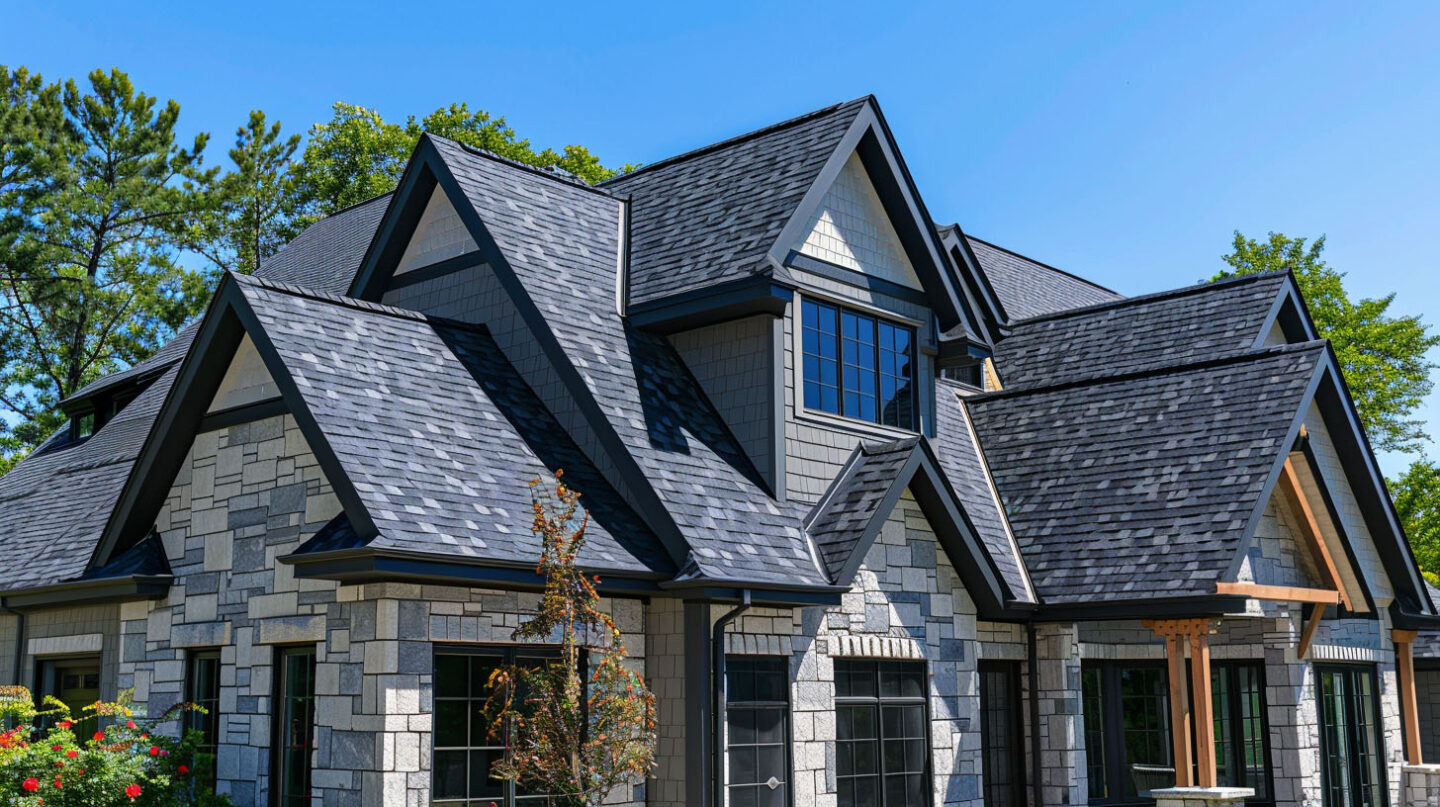
A comprehensive understanding of the anatomy of a residential roof is essential for homeowners. Key components like roof decking, which provides structural support and allows for natural light to enter, and underlayment, offering a synthetic barrier against moisture, are pivotal to a roofing system’s integrity. Roofing professionals emphasize the importance of proper ventilation, enabling airflow and preventing mold growth. Furthermore, elements such as drip edges and flashing work together to direct water away from vulnerable areas, ensuring longevity and water resistance. Each aspect plays a crucial role in maintaining a roof’s energy efficiency and aesthetic appeal.
Roofing Materials Explained
The roofing material you choose plays a significant role in your home’s defense against the elements, as well as its overall look. From traditional asphalt shingles to durable wood shingles and metal roofing, each option offers different benefits in terms of longevity, cost, and style.
As a GAF Master Elite Contractor, we work with top-quality materials, including architectural shingles and high-performance synthetic underlayment. Understanding the differences between these materials will help you select the best fit for your home and budget. We’ll break down the most popular shingle types and the crucial underlayment that lies beneath.
Shingles: Asphalt, Architectural, and Cedar Shake
A variety of shingles exist to suit diverse residential roofs, each offering unique benefits. Asphalt shingles are popular for their cost-effectiveness and durability, providing a solid layer of protection against heavy rainfall. Architectural shingles enhance aesthetic appeal with a dimensional look, while cedar shake shingles add natural charm and excellent insulation properties. Understanding these roofing materials equips homeowners to make informed decisions when consulting roofing professionals, ensuring proper installation and optimal performance in protecting against water penetration and enhancing energy efficiency.
Underlayment: Felt, Synthetic & Ice/Water Shield
Underlayment serves as a vital layer in the roofing system, offering additional protection against water infiltration. Traditional felt underlayment, composed of organic or fiberglass materials, is cost-effective but can be prone to moisture damage. In contrast, synthetic underlayment provides enhanced durability and water resistance, making it an increasingly popular choice among roofing professionals. Ice and water shield is especially crucial in vulnerable areas, acting as a robust moisture barrier against ice dams and **heavy rain**. Selecting the right underlayment is essential for ensuring the longevity and functionality of the roofing project.

Key Roofing Structures in Clayton, NC
Beyond the materials, your roof has several key structural elements that are essential for its function and longevity. These components provide structural support, manage water runoff, and ensure your attic ventilation is properly ventilated. Without them, your roof deck would be exposed and vulnerable.
Elements like the fascia, soffit, and gutters are not just for looks; they are hardworking parts of your roofing system. Understanding their roles is key to appreciating how your roof protects your home from the ground up. Let’s look closer at the foundation of your roof and the components at its edges.
Decking and Sheathing
Decking and sheathing are critical components of the roof structure, forming the foundational layer that supports roofing materials and other roofing components. Typically crafted from plywood or oriented strand board, decking provides structural support and enhances the overall durability of the roofing system. In addition to offering a solid base, sheathing acts as a moisture barrier, preventing water infiltration that could lead to mold growth or structural damage. Proper installation of both decking and sheathing is essential to ensure energy efficiency and protect against the elements, particularly during heavy rainfall and high winds.
Fascia, Soffit, and Gutters
Fascia serves as a critical structural support along the edges of the roof, providing a finished look while also protecting the underlying roofing materials. Soffit, located beneath the fascia, facilitates proper ventilation within the attic space, while also enhancing the aesthetic appeal of the home’s exterior. Gutters play an essential role in water drainage, channeling rainwater away from the roof and foundation to prevent water infiltration and potential damage. Together, these components are vital for maintaining an effective roofing system and protecting the home from the elements.
Roof Flashing: Types and Functions in Clayton, NC
Roof flashing is one of the most critical defenses against water leaks. This thin metal material is installed wherever your roof meets a vertical surface—like a wall, chimney, or dormer—or at joints and roof valleys. Its sole purpose is to direct water away from these vulnerable seams.
Without proper flashing, water would easily find its way into your home. There are several types of metal flashing, including step flashing, apron flashing, and Z-bar flashing, each designed for a specific application. Understanding the differences will help you recognize these key protectors on your own roof.

Apron Flashing vs. Step Flashing
Understanding the differences between apron flashing and step flashing is crucial for any residential roofing project. Apron flashing is typically utilized at the lower edge of a vertical surface, directing water away from joints, while step flashing is applied in conjunction with sloped roofing, overlapping shingles to ensure a waterproof seal along structural supports. Both types serve as vital components in a roofing system, contributing to water resistance and reducing the likelihood of water infiltration, thus protecting the integrity of your roof structure from potential damage.
Z-Bar Flashing: Purpose and Placement in Clayton, NC
Protecting Against Water Intrusion
The ultimate goal of your roofing system is to protect your home from water damage. Every component, from the shingles to the underlayment, contributes to water resistance, but some elements are specifically designed to handle the toughest challenges.
Components like flashing and drip edges are the unsung heroes that manage water flow in critical areas. They are essential for preventing water penetration and ensuring proper drainage away from your home’s foundation. Let’s examine how these parts provide such vital protection.
How Flashing Prevents Leaks
Flashing acts as a critical waterproof membrane, safeguarding the edges of the roof from water infiltration. Properly installed flashing components, such as step and apron flashing, direct water away from vulnerable areas, including roof penetrations and valleys. By creating a seamless layer of protection, flashing prevents moisture damage and enhances the roof’s overall durability. In regions prone to heavy rainfall and high winds, understanding the role of proper flashing in roof replacement becomes essential for maintaining structural support and prolonging the life of the roofing system.
The Role of Drip Edge in Water Protection
A drip edge serves as a crucial component in a roofing system, enhancing water resistance and preventing moisture intrusion at the edges of the roof. This metal flashing directs water away from the fascia and into the gutter, minimizing direct water exposure and protecting underlying roofing materials. Proper installation of a drip edge not only aids in water drainage but also contributes to the structural integrity of the roof system, guarding against water penetration and subsequent mold growth in the attic space.
Get in Touch
Navigating the complexities of roofing terminology enhances homeowners’ understanding and empowers them to make informed decisions. Mastery of essential terms like flashing, underlayment, and roofing materials not only aids in comprehension but also facilitates effective communication with roofing professionals. A well-constructed roof, with proper flashing and robust materials, is crucial in providing durability and protection against water damage. Ultimately, investing time in learning about roofing can lead to improved energy efficiency and longevity, ensuring a secure and aesthetically appealing home for years to come.

Frequently Asked Questions
What is the difference between step flashing and apron flashing roofing?
Step flashing is installed in conjunction with a wall, creating a protective barrier against water. In contrast, apron flashing and counter flashing are positioned at the roof’s edge to divert water away from the structure. Both types serve distinct purposes in preventing leaks and enhancing roof durability.
What is the terminology of roofing?
Roofing terminology refers to the specific vocabulary used to describe all parts of a roof system, including measurements in square feet for various components. These roofing terms include components like the roof deck, shingle types, underlayment, flashing, drip edge, and structural features like the roof slope, ridges, and valleys.
What is a flashing at the gable end of a roof fixed parallel to the roof slope?
The flashing installed at the gable end, parallel to the roof slope, is called rake flashing or gable flashing. It protects the edge of a roof from wind-driven rain and directs water away from the underlying wood, ensuring water resistance for the rake of gable roofs.
Read our blog: Pipe Boot Upgrades: Silicone, Copper, or Lead?