

For property managers of multi-unit commercial buildings, the roof is your first line of defense. Neglecting roof maintenance can lead to catastrophic failures, resident dissatisfaction, and unexpected costs. At The Shingle Master, we understand that developing a strategic maintenance plan is not just a suggestion; it is a critical responsibility. Our team in Clayton, NC is dedicated to providing expert guidance on creating a long-term plan to protect your investment, ensure safety, and maintain your property’s integrity for years to come. With our experience and commitment to quality, we can help you safeguard your building and enhance its value.
The Importance of Long-Term Roof Maintenance for Multi-Unit Buildings
A comprehensive roof maintenance plan is one of the most significant investments property managers can make by working with experienced roofing professionals. This proactive approach goes beyond fixing problems as they arise; it is about extending the life of your roof, protecting your property value, and avoiding the high costs of emergency repairs.
For multi-unit buildings, ongoing maintenance ensures the structural integrity, safety, and comfort of dozens or even hundreds of residents. Let’s explore how a strategic plan protects both your physical asset and your financial stability.
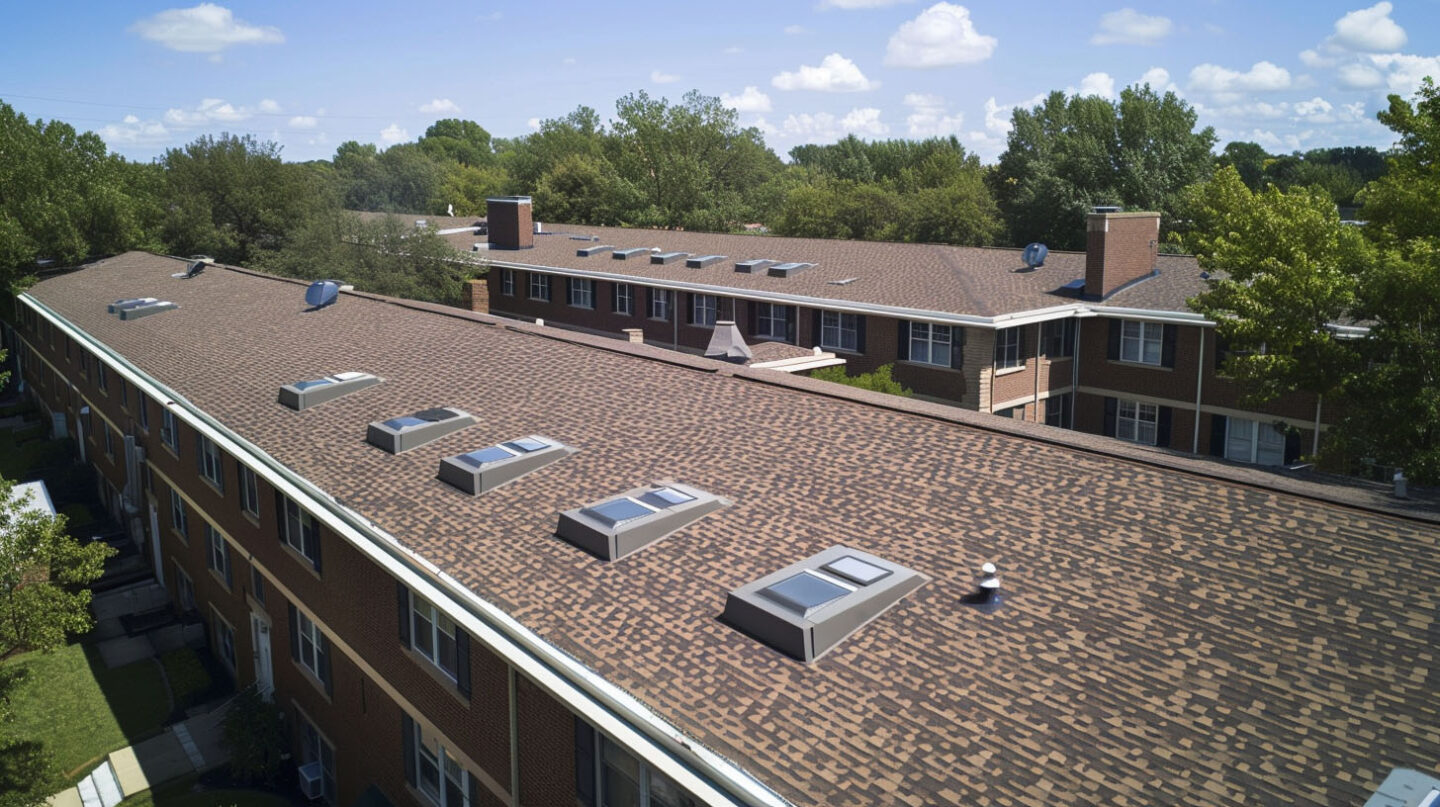
Protecting Property Value and Residents’ Safety
Routine roof maintenance significantly contributes to preserving property value while prioritizing residents’ safety. Regular inspections help identify and address minor issues before they escalate into major problems, such as structural damage or water intrusion. A well-maintained roof enhances curb appeal, appealing to potential tenants and increasing overall market value. Furthermore, ensuring the integrity of roofing systems protects against leaks, mold growth, and energy inefficiencies, which can ultimately harm both the occupants and the property owner’s investment. Regular attention to these aspects provides peace of mind for everyone involved.
Minimizing Costly Emergency Repairs
Emergency repairs are not just expensive; they are disruptive and stressful for everyone involved. A preventative maintenance plan is your best defense against these sudden, high-cost events. By identifying and addressing minor issues early, you can avoid situations where a small problem escalates into significant damage.
Timely repairs are far more manageable and affordable than a full-scale emergency response. For property managers, this proactive stance translates directly into property management budget control and operational stability.
Preventative maintenance helps you avoid:
- Sudden leaks causing interior water damage and tenant displacement.
- Structural issues that compromise the entire building.
- The high premium charged for emergency labor and materials.
Key Elements of a Strategic Roof Maintenance Plan
Developing a successful roof maintenance plan begins with the first step of establishing a consistent and thorough process. You cannot protect what you do not inspect. A strategic plan is built on two foundational pillars: scheduled professional inspections and routine maintenance performed between those inspections.
This combination allows you to catch potential problems before they escalate and ensure your roofing systems are always performing optimally. Let’s look at these key elements more closely.
Scheduled Professional Inspections
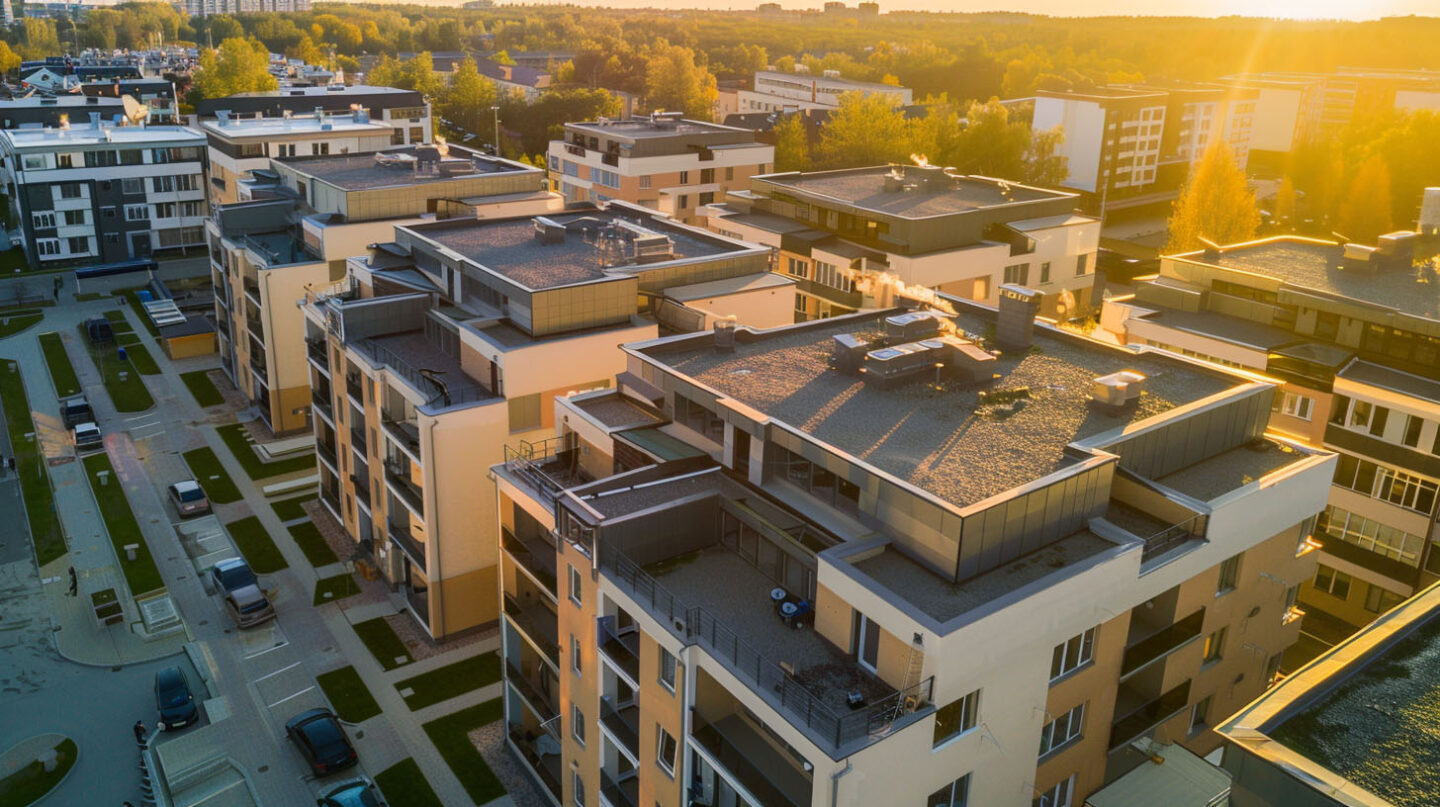
Regular inspections by a qualified roofing contractor are essential for effective maintenance and following industry best practices. Professionals can detect subtle issues that untrained eyes may miss. At The Shingle Master, our Haag Certified Inspectors thoroughly assess every part of your roof.
Schedule inspections at least twice a year—spring and fall—and after severe weather. This helps catch damage early, preventing further issues. A detailed report from a GAF Master Elite contractor like The Shingle Master provides a clear overview of your roof’s condition and needed repairs.
Routine Cleaning and Debris Removal
Routine cleaning and debris removal are essential maintenance tasks that significantly enhance roof surface longevity and performance. Accumulated leaves, dirt, and other debris can lead to drainage issues and increased wear on roofing materials. Regular inspections combined with scheduled cleanings ensure that small issues, such as water pooling or blocked gutters, are addressed before they escalate into major problems. Collaborating with a reputable roofing contractor to establish a cleaning routine not only safeguards the roof’s integrity but also improves energy efficiency, ultimately benefiting property value and residents’ safety.
Critical Maintenance Tasks for Multi-Family Roofs
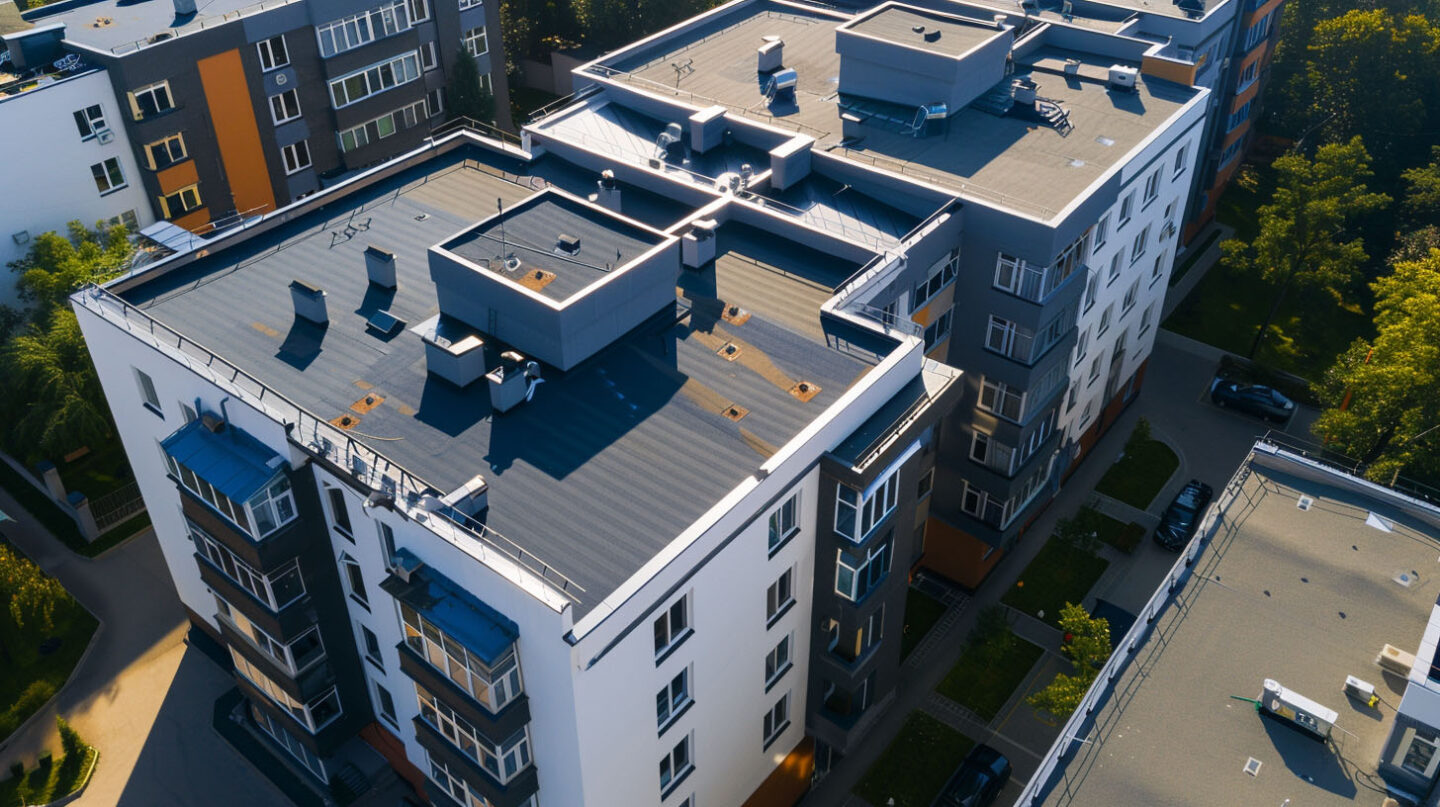
Multi-family roofing systems are often more complex than those on single-family homes, featuring flat sections, multiple penetrations for HVAC units, and extensive drainage networks. Proper maintenance for these commercial properties requires attention to specific areas that are prone to failure if neglected, which can lead to higher energy costs.
Focusing on these critical maintenance tasks will help ensure your roof remains watertight and functional, protecting your building from the top down.
Gutter, Downspout, and Drainage System Upkeep
A reliable drainage system is essential for any roof, especially on large buildings where water volume is high, particularly during extreme weather conditions. Clogged gutters and downspouts cause water to pool, overflow, and damage property—saturating fascia, eroding foundations, and causing leaks.
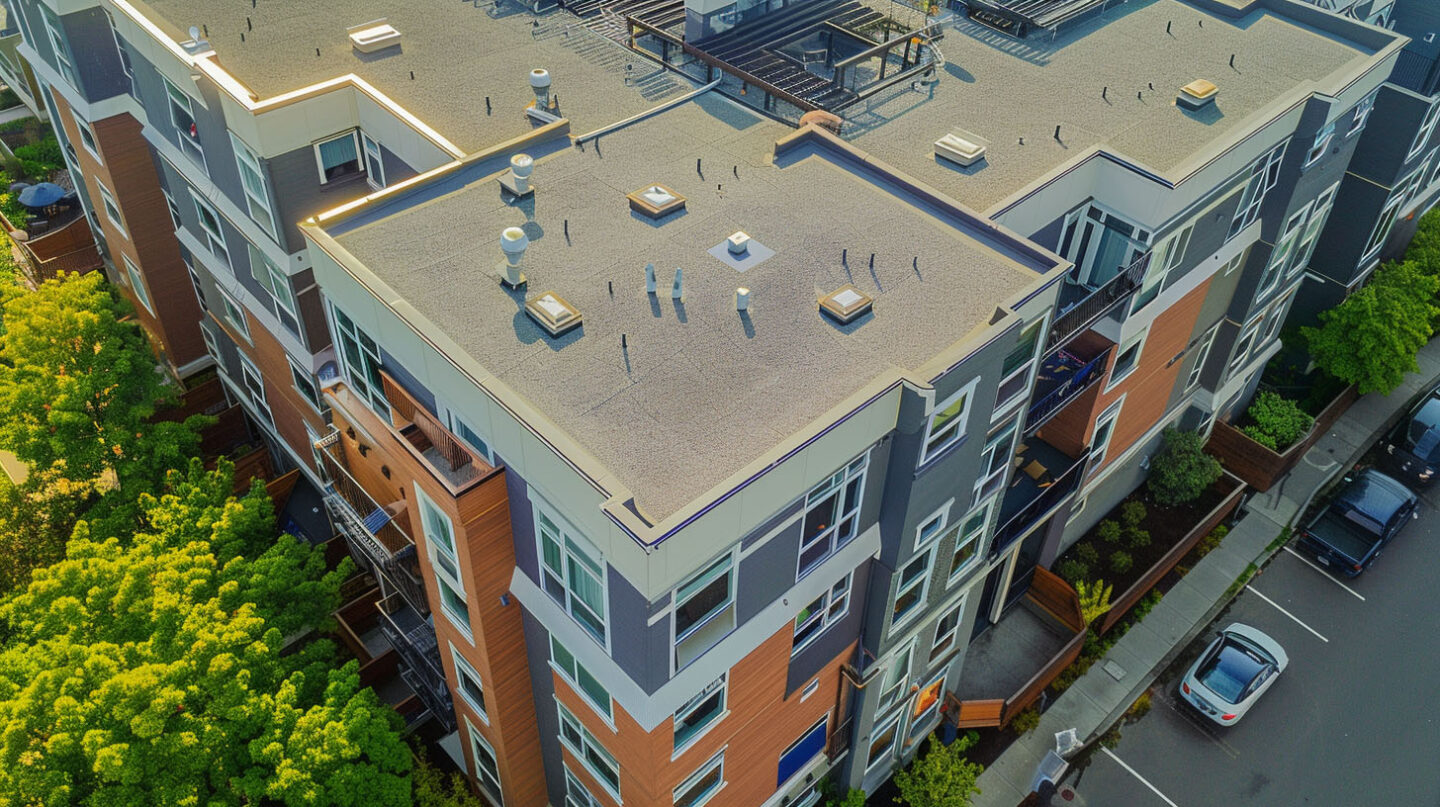
Regular cleaning and inspection are crucial to keep drainage systems working properly for various roofing projects. At The Shingle Master, we use quality products like NeverLeak Gutters and RainDrop Gutter Guards to deliver long-lasting water management solutions.
Flashing, Sealant, and Penetration Point Checks
Flashing and sealant maintenance are crucial components of a robust roof maintenance plan. Regular checks at penetration points, such as vents and HVAC units, ensure that these vulnerable areas are watertight, minimizing the risk of water intrusion and subsequent structural damage. By conducting thorough inspections and promptly addressing minor issues, property managers can prevent costly repairs down the line. Implementing routine maintenance tasks and collaborating with reputable roofing contractors will further enhance the longevity of the roofing systems and uphold the property’s value.
Identifying Signs of Roof Damage During Inspections
As a property manager, you play a crucial role in spotting early signs of roof damage to prevent costly property damage. While routine inspections should be conducted by a professional, knowing what to look for can help you identify problems between scheduled visits and report them immediately.
Roof damage manifests in both the interior and exterior of the building. Being vigilant and proactive allows you to request timely repairs and prevent small issues from becoming major headaches.
Interior Warning Signs: Leaks, Stains, and Mold
Often, the first sign of a roof leak appears inside the building. Water stains on ceilings or walls are a clear red flag that moisture is penetrating your roof. These stains may appear yellowish or brown and can grow over time.
Don’t ignore peeling or bubbling paint, as this is another common indicator of trapped moisture behind the wall or ceiling surface. Any sign of mold growth requires immediate attention, as it points to a persistent moisture problem and poses a health risk to residents.
Catching these interior signs early can help your roofing contractor pinpoint the source of the roof leaks and prevent further structural damage.
Exterior Warning Signs: Missing Shingles, Ponding, and Deterioration
Regular assessments of the roof’s condition and exterior are crucial for identifying potential issues before they escalate. Missing shingles are often the first signs of reduced integrity, exposing the underlying roofing materials to the elements. Similarly, ponding water can lead to water intrusion and structural damage, particularly on flat roofs where drainage issues may occur. Deterioration of roofing materials not only compromises energy efficiency but also adversely affects property value and resident safety. Timely repairs can mitigate these risks and support long-term maintenance strategies.
Budgeting Effectively for Long-Term Roof Maintenance
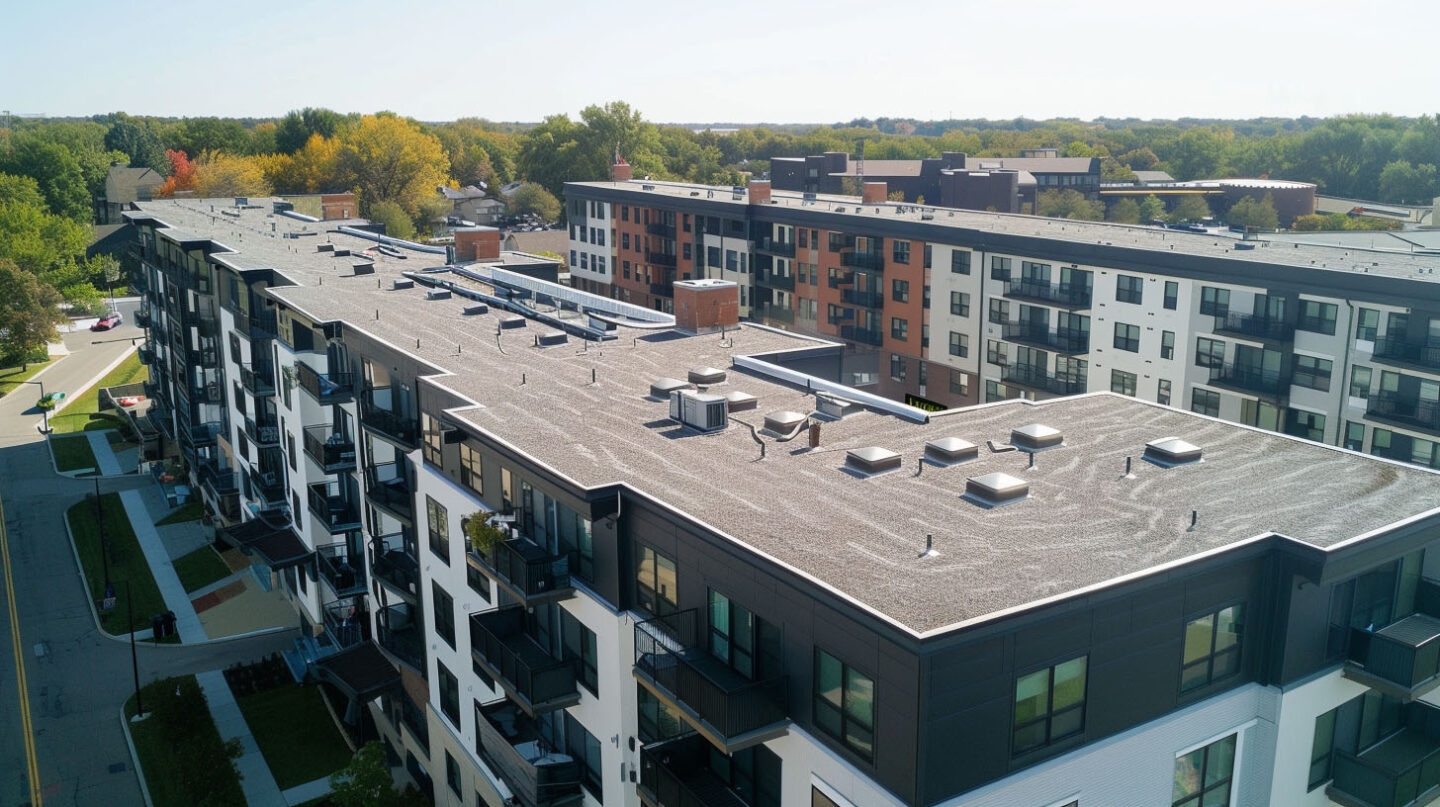
Allocating funds strategically for long-term roof regular maintenance is essential for property owners and managers. Establishing a schedule that outlines maintenance tasks, including regular inspections and cleaning, helps identify minor issues before they escalate into costly repairs. Committing to preventative maintenance can significantly enhance the roof’s condition and prolong its lifespan. Moreover, set aside a budget for unexpected repairs that may arise due to severe weather or other factors, ensuring that funds are available for timely interventions and preserving the overall property value.
Setting Maintenance Schedules and Allocating Funds
Establishing a maintenance schedule is vital for optimizing the performance of roofing systems in multi-unit buildings. By designing a comprehensive roof maintenance plan, property owners and managers can allocate necessary funds for routine inspections, minimizing the risk of significant damage. This proactive approach not only addresses minor issues before they escalate into costly repairs but also enhances the property’s overall value. Timely repairs lead to improved tenant satisfaction and energy efficiency, ensuring the roof remains in optimal condition amidst harsh weather conditions.
Planning for Preventative Repairs and Replacement
Your budget should separate immediate preventative maintenance from long-term capital expenses. Allocating funds for small repairs, depending on the roof type, prevents costly replacements later. Maintain documentation like inspection reports and invoices to track the roof’s condition.
At the same time, contribute to a reserve fund for eventual commercial roof replacement. Planning ahead makes this major expense manageable. This approach lets you:
- Extend your roof’s life with timely care.
- Avoid emergency loans or special assessments.
- Replace the roof on your schedule, not in a crisis.
Contact Us
A long-term roof maintenance plan for multi-unit buildings is essential. Routine inspections and proactive care protect property value, ensure resident safety, and prevent costly repairs. Effective budgeting maximizes your roof’s lifespan. Ready to safeguard your investment? Contact The Shingle Master today for tailored quotes and trusted quality.
Frequently Asked Questions
How often should multi-unit building roofs be professionally inspected?
For optimal protection, a professional roofing contractor should perform a thorough inspection at least twice a year—once in the spring and again in the fall. Regular inspections should also be scheduled immediately following any severe weather events, like hurricanes or hailstorms, to identify and address storm damage promptly.
What are the most cost-effective ways to extend a roof’s lifespan?
The most cost-effective roof care strategies are preventative maintenance and timely repairs. Scheduling routine inspections with a trusted roofing contractor allows you to catch small issues before they become major problems, significantly extending your roof’s service life and delaying the need for a full replacement.
Read our blog: Sealed Attic Systems & Roofing: What Changes for Venting